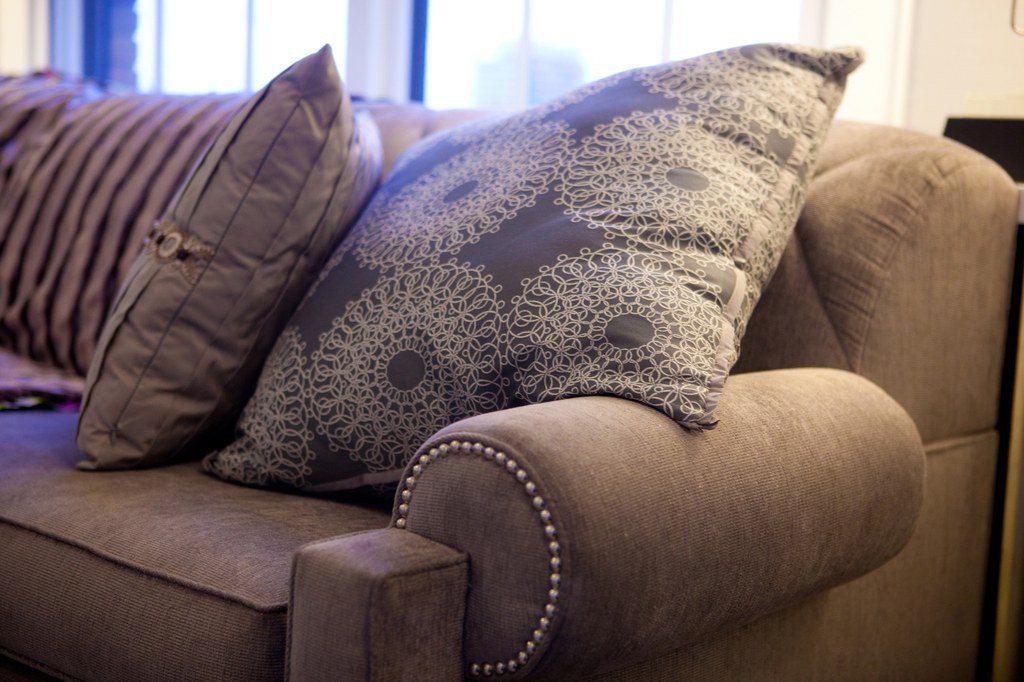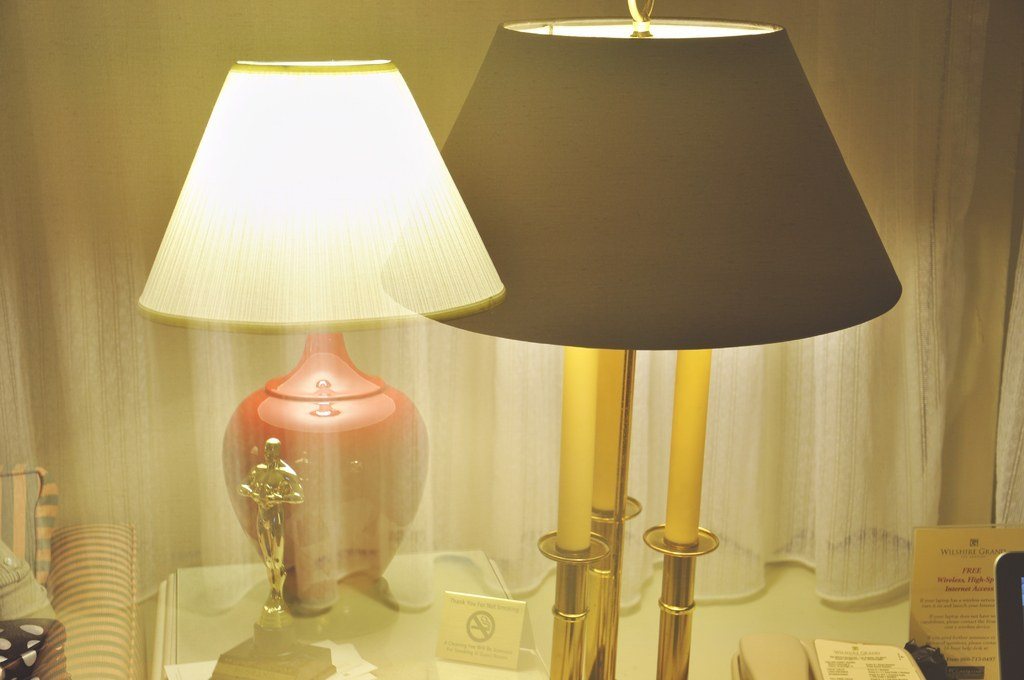
A lamp is only as good as its shade. The shade decides whether light spreads gently across a room or pools on a single spot, and it shapes how the lamp looks during the day when it is switched off. Getting it right makes a room feel finished.
Match the shape to the base
As a general rule, let the shade echo the lines of the base. Curved and round bases sit well under drum or empire shades, while square or angular bases look sharp under square or rectangular shades. Tapered shades suit slim, tall bases and bring a classic feel.
Get the proportions right
A shade that is too small makes a lamp look top-heavy and unfinished. One that is too large overwhelms the base and the table beneath it. When you stand back, the shade should look generous but never crowd the furniture around it, and it should hide the bulb and fitting from normal seated and standing views.
Choose the fabric for the job
- Pale linen or cotton: lets plenty of light through, ideal for living rooms and reading corners.
- Dark or opaque shades: push light up and down for a moody, dramatic glow in dining rooms and bedrooms.
- Pleated silk: adds soft texture and a touch of tradition to classic interiors.
- Patterned shades: a playful way to add colour in a neutral room or a child's bedroom.
Stylist tip: look at the inside lining too. A gold or warm white lining makes the light feel cosier, while a bright white lining keeps it crisp.
Think room by room
In the bedroom, choose shades that soften light for winding down. In the living room, aim for lamps at different heights so light comes from several places rather than one bright ceiling fitting. On a console or hall table, a pair of matching lamps creates a welcoming, balanced look.
Bring it all together
Lampshades are an easy and affordable change. Swapping a dated shade for one with better proportions and a fresh fabric can make an old lamp look new, and make the whole room feel warmer at night.